
Concrete Built for Colorado.
At 6,035 feet with 40+ freeze-thaw cycles per year, Colorado Springs concrete faces conditions that destroy poorly installed flatwork in a fraction of its expected lifespan. Clear Choice Paving & Koncrete builds concrete that lasts 30+ years — air-entrained mix, proper base, correct slope, owner on every job.
☀️ Summer is peak concrete season in Colorado Springs — optimal curing temperatures, no frost risk. Book your project now for best scheduling availability.
Call (719) 285-9736Colorado Springs Destroys Poorly Built Concrete.
Most concrete specs are written for sea-level climates with moderate winters. Colorado Springs is fundamentally different — 6,035 feet of elevation, 300+ sunny days, and 40+ freeze-thaw cycles per year. Water that penetrates improperly installed concrete freezes with 25,000 PSI of expansion force, destroying surface structure and cracking flatwork from the inside.
The three factors that determine whether Colorado Springs concrete lasts 10 years or 30+ years: air entrainment in the mix, base preparation depth and compaction, and slope for drainage. Air-entrained concrete has tiny intentional air bubbles (4–8%) that give freezing water room to expand without cracking the surface — it’s the single most important specification for Colorado concrete.
Proper base preparation — typically 4–6 inches of compacted gravel — allows drainage away from the slab and prevents subgrade saturation that leads to cracking. And correct slope (1/8 inch per foot minimum) ensures water sheets off instead of pooling, which accelerates freeze-thaw deterioration.
Air-Entrained Concrete Mix
Air entrainment is the most critical specification for Colorado concrete. Tiny air bubbles in the mix give freezing water room to expand without cracking the surface. We specify air-entrained, freeze-thaw rated mix on every concrete job — no exceptions.
Proper Base Preparation
4–6 inch compacted gravel base for residential flatwork, deeper for commercial. Properly prepared base drains water away from the slab, prevents subgrade movement, and distributes load evenly. Budget contractors skip this — and concrete fails in 10 years instead of lasting 30.
Correct Slope & Drainage
Every concrete slab we pour is graded for proper drainage — water should sheet off the surface, not pool on it. We verify slope before any concrete is placed. Poor drainage is one of the most common causes of premature concrete failure in Colorado Springs.
Control Joints
Concrete shrinks as it cures and cracks predictably without control joints. We cut joints at appropriate spacing to control where cracking occurs — keeping cracks small, tight, and in locations that don’t affect structural integrity or appearance.
Steel Reinforcement
Wire mesh for residential flatwork, rebar for commercial applications and structural work. Reinforcement holds concrete together through Colorado’s thermal expansion and contraction cycles, preventing slab separation when cracking does occur.
Owner on Every Job
Oldan personally oversees every concrete pour — base prep inspection, mix verification, placement, finishing, and joint cutting. Concrete done wrong doesn’t show up for years. He makes sure it’s done right from the start.
Why Colorado Springs Concrete Needs to Be Built Right
40+ Freeze-Thaw Cycles
Colorado Springs sees 40+ freeze-thaw cycles per year — 2–3x the national average. Water that penetrates concrete freezes with 25,000 PSI of expansion force. Air-entrained concrete provides microscopic voids that prevent this pressure from cracking the surface.
High-UV Concrete Degradation
At 6,035 feet, UV radiation accelerates concrete surface carbonation — the process that makes concrete brittle and porous over time. Sealed concrete resists this significantly. We recommend sealing every 2–3 years for Colorado Springs concrete.
Extreme Temperature Swings
50°F temperature swings in a single day cause thermal expansion and contraction stress in concrete. Properly placed control joints give concrete room to move without cracking in uncontrolled locations — essential in Colorado’s dramatic diurnal temperature range.
De-Icing Salt Damage
Rock salt and calcium chloride de-icers used on Colorado roads and driveways penetrate concrete and accelerate freeze-thaw spalling — the surface pitting and scaling that destroys concrete appearance and structural integrity. Sealed concrete resists chemical penetration significantly.
Drainage & Subgrade Issues
Colorado Springs soils include expansive clay that swells when wet and shrinks when dry — creating subgrade movement that cracks unsupported concrete. Proper base preparation and drainage design addresses these soil conditions before any concrete is placed.
Curing at Altitude
Concrete cures differently at altitude — lower atmospheric pressure and lower humidity affect hydration timing. We account for Colorado Springs-specific curing conditions in mix design and pour timing, particularly for larger commercial flatwork projects.
Our Concrete Services
Concrete Driveways
4-inch minimum thickness, air-entrained freeze-thaw rated mix, proper base and slope. Residential concrete driveways built for Colorado Springs conditions last 30–40 years when properly installed and maintained.
Patios & Outdoor Flatwork
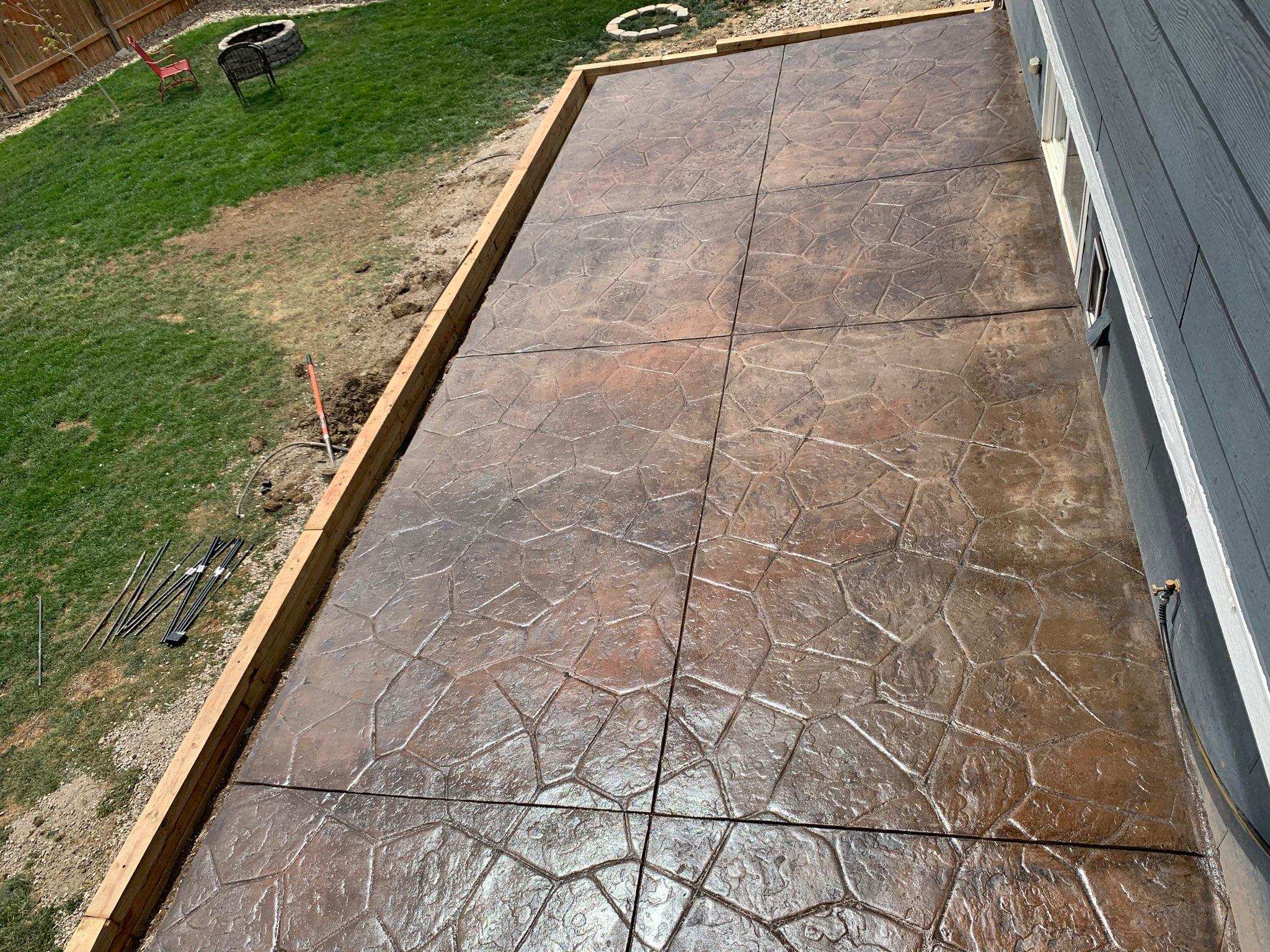
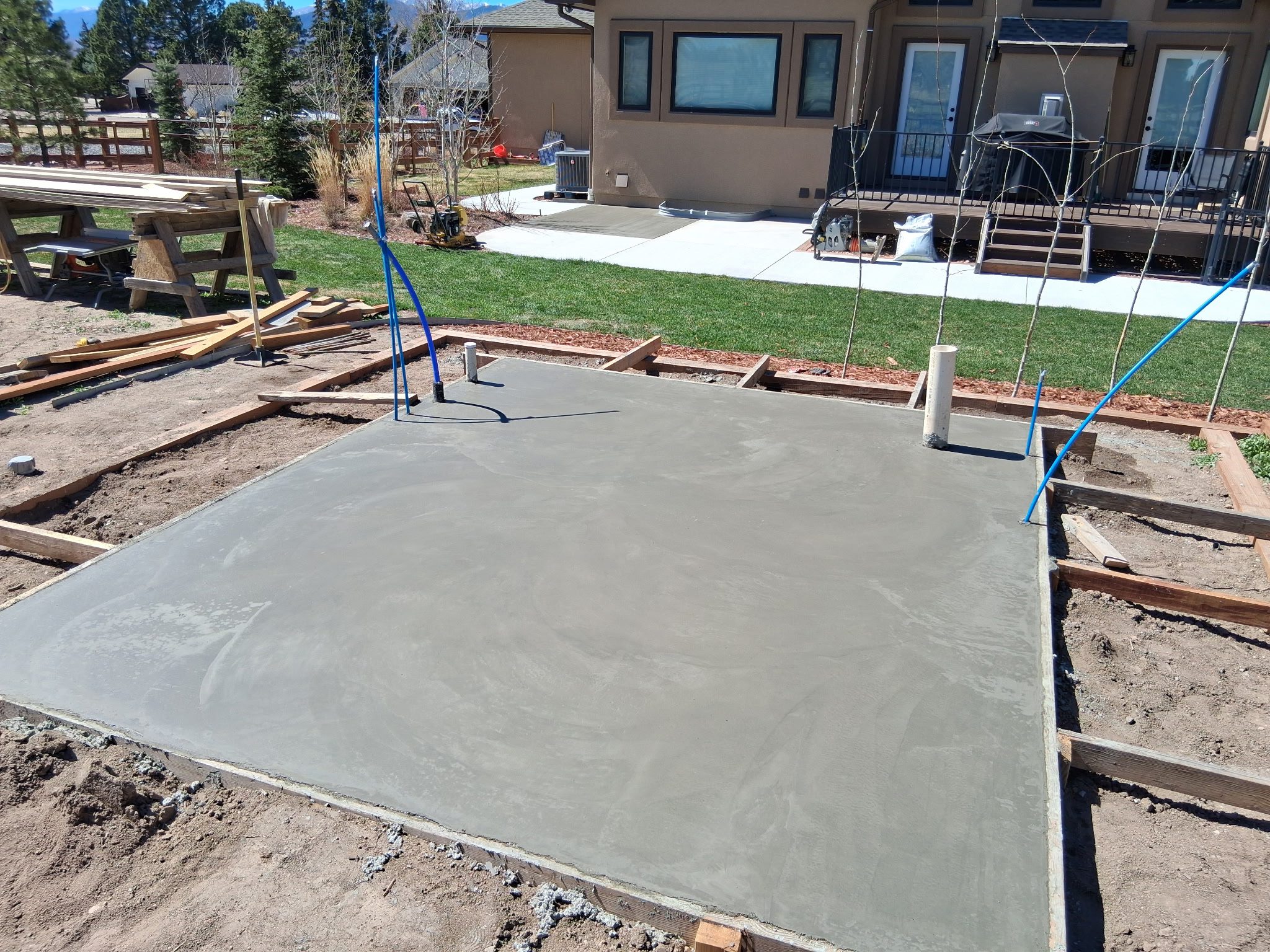
Poured concrete patios, walkways, pool decks, and outdoor living spaces. Broom finish for traction, or stamped and colored finishes for decorative applications. Built for Colorado’s freeze-thaw climate.
Sidewalks & Walkways
Residential sidewalks, commercial walkways, and ADA compliant accessible routes. Proper slope, control joints, and freeze-thaw rated mix — the same attention to detail on a sidewalk as on a commercial pour.
Curbs & Gutters
Concrete curb and gutter for parking lots, driveways, and property edges. Defines pavement boundaries, manages drainage, and protects asphalt edges from the water infiltration that causes base failure.
Commercial Flatwork
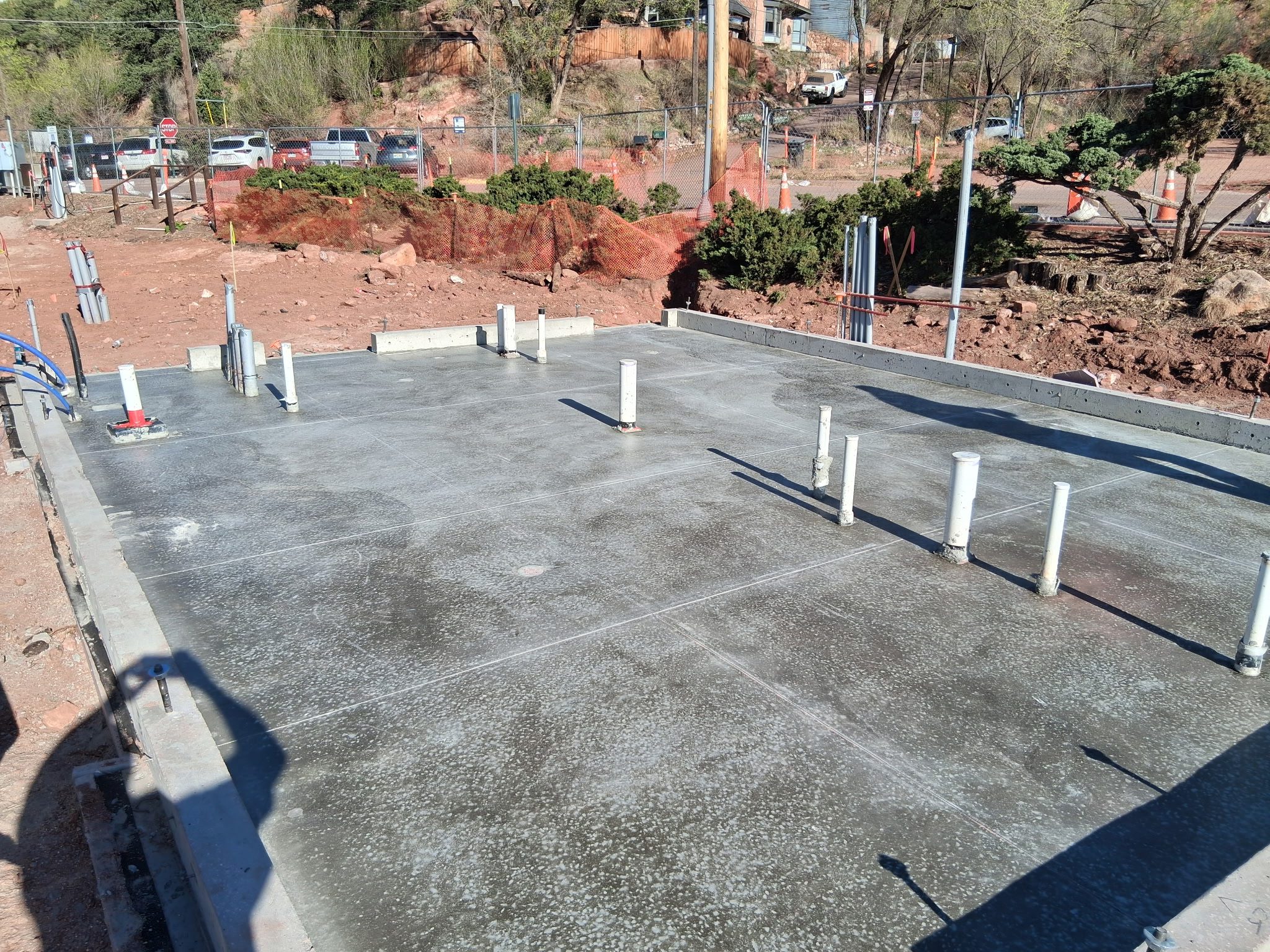
Parking lots, loading areas, equipment pads, and high-traffic commercial surfaces. 5–8 inch thickness, engineered reinforcement, higher PSI mix specifications for heavy load applications.
Concrete Repair & Replacement
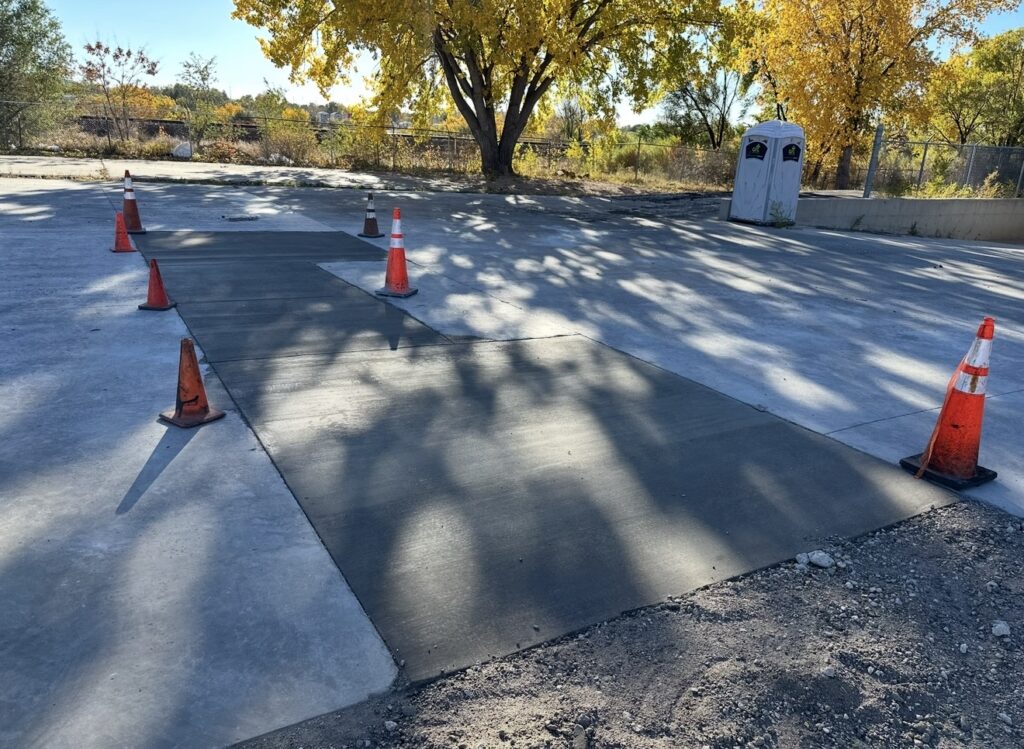
Existing concrete that has cracked, heaved, or spalled beyond maintenance can be saw-cut and replaced in sections. We match existing grade and drainage in all repair work.
Our Concrete Installation Process
Site Assessment
Oldan evaluates subgrade conditions, drainage patterns, existing grades, and project requirements. Mix specifications, base depth, and reinforcement are determined before any number goes on paper.
Excavation & Base
Excavate to required depth, remove organic material, install 4–6 inch compacted gravel base. This is the most important step — proper base determines everything about how long the concrete lasts.
Forms & Reinforcement
Forms set to final grade with correct slope for drainage. Wire mesh or rebar installed per spec. Grade is verified before concrete is ordered — you can’t adjust grade after the pour.
Pour & Finish
Air-entrained, freeze-thaw rated concrete placed and finished to spec. Broom texture for traction or smooth finish for decorative applications. Consistent thickness across the slab.
Joints, Cure & Walkthrough
Control joints cut at proper spacing. Curing compound applied to slow moisture loss during curing. Oldan walks the finished work with you. One-year warranty on all work.
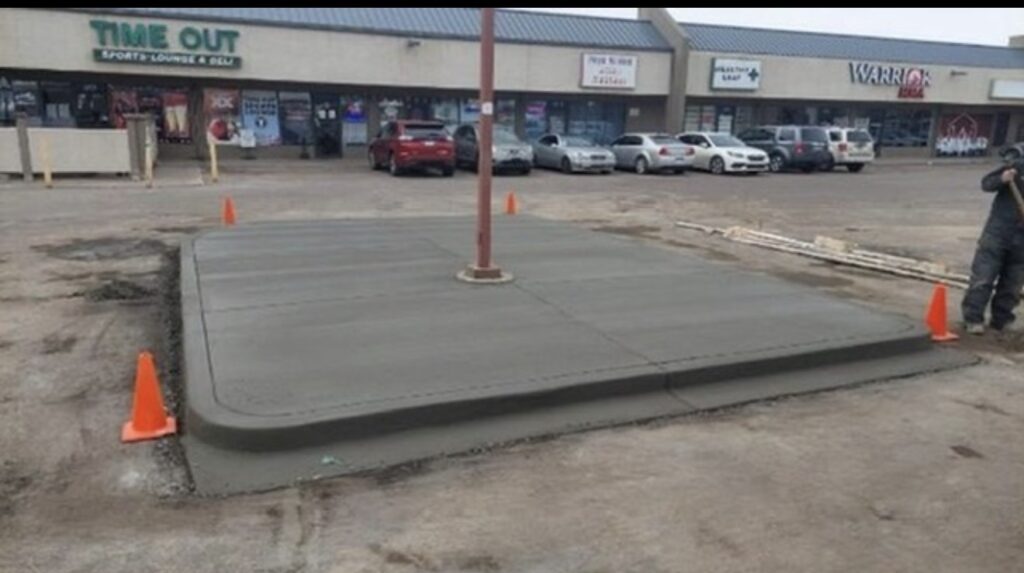
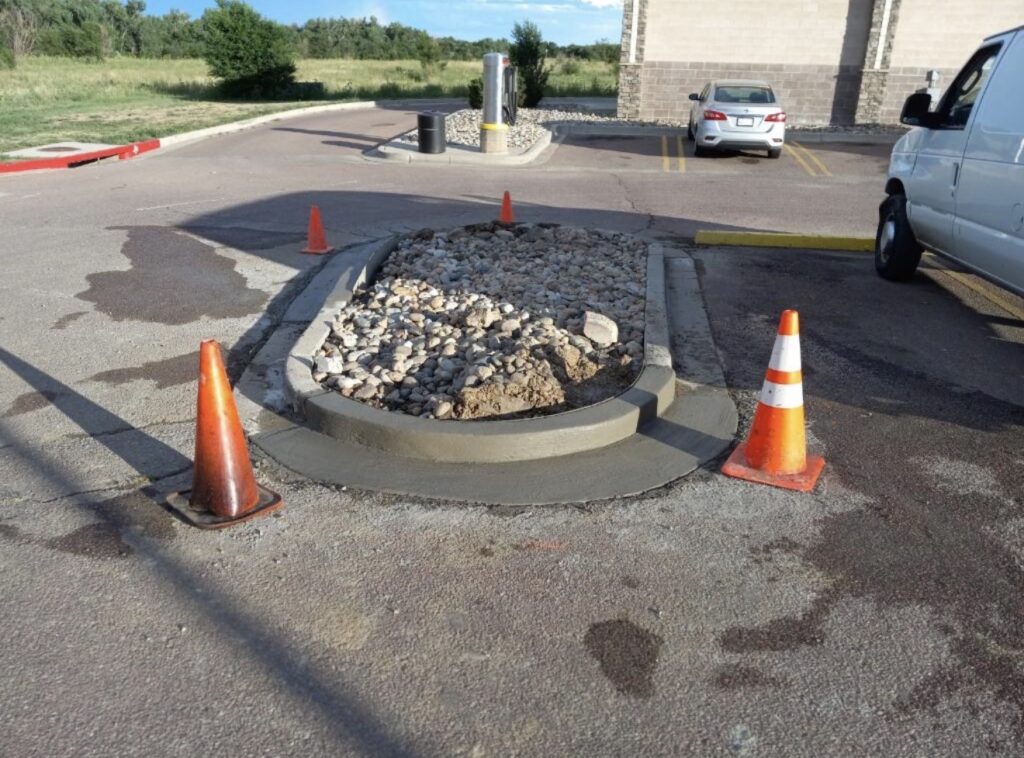
Concrete Projects in Colorado Springs




Concrete vs. Asphalt — Which Is Right for You?
Concrete
Concrete costs more upfront but lasts significantly longer with less maintenance. The 30-year total cost of concrete is often lower than asphalt when you factor in asphalt’s ongoing sealcoating, crack repair, and eventual resurfacing costs.
Best for driveways, patios, sidewalks, and areas where you want a permanent, low-maintenance surface. Also the right choice for decorative applications — stamped and colored concrete is only possible with concrete, not asphalt.
- 30–40 year lifespan with proper installation
- Higher upfront cost ($6–$12/sq ft installed)
- Lower lifetime maintenance cost
- Decorative options — stamped, colored, exposed aggregate
- Stays lighter colored — reflects heat in summer
- Requires sealing every 2–3 years for best results
Asphalt
Asphalt costs less upfront and is easier to repair. For large commercial lots and areas where flexibility in surface repair is important, asphalt is often the practical choice. Also handles Colorado’s freeze-thaw cycles well when properly installed with adequate base depth.
Best for large parking lots, commercial surfaces, and property owners who prefer lower upfront cost with ongoing maintenance. Asphalt is also the preference for surfaces that may need reconfiguration in the future.
- 15–25 year lifespan with maintenance
- Lower upfront cost ($3–$7/sq ft installed)
- Requires sealcoating every 3–4 years
- Easier to patch and repair sections
- Absorbs heat — benefits in cold climates for snow melt
- Higher lifetime maintenance cost than concrete
What Does Concrete Cost in Colorado Springs?
Pricing depends on square footage, thickness, reinforcement, base conditions, and finish type.
Why the range is wide: A 500 sq ft driveway with standard broom finish is a very different project than a 500 sq ft stamped colored patio with decorative borders. Base conditions, access, and finish type all affect final cost significantly.
The biggest variable is base preparation — what’s under your existing surface determines how much excavation is needed. Oldan assesses subgrade conditions at the free estimate before giving you a written quote.
The 30-year math: A $5,000 concrete driveway with minimal maintenance costs roughly $6,000–$7,000 over 30 years. An asphalt driveway at $2,500 requires sealcoating every 3 years ($300/application), crack repair, and eventual resurfacing — often totaling $8,000–$12,000 over the same period. Concrete often wins on lifetime cost.
Concrete Services FAQ
What type of concrete mix is best for Colorado Springs?
Air-entrained concrete with 4–8% air content and a minimum 4,000 PSI compressive strength. Air entrainment is non-negotiable for Colorado’s freeze-thaw climate — the microscopic voids prevent ice expansion from cracking the surface. We specify this on every Colorado Springs concrete project.
How long does concrete last in Colorado Springs?
Properly installed concrete — air-entrained mix, adequate base, correct slope, sealed every 2–3 years — lasts 30–40 years in Colorado Springs conditions. Improperly installed concrete with inadequate base or non-air-entrained mix often shows surface failure within 10–15 years.
Should I seal my concrete driveway?
Yes — sealing every 2–3 years significantly extends the life of Colorado Springs concrete. Sealer blocks water penetration, resists de-icing chemical damage, and slows UV carbonation. Wait 30 days after installation before applying the first sealer. We can seal as part of the installation package.
How thick should a concrete driveway be in Colorado?
4 inches for standard residential driveways. 5–6 inches for RV parking or areas with heavy vehicle loads. Commercial applications typically require 6–8 inches. Thickness combined with proper base preparation is what determines load capacity and longevity.
When is the best time to pour concrete in Colorado Springs?
May through October when air and surface temperatures are consistently above 50°F. Concrete needs to be protected from freezing during the first 24–72 hours of curing. We won’t pour concrete when frost risk is present — it compromises the entire slab.
Why is my concrete spalling (surface pitting)?
Surface spalling is caused by freeze-thaw damage to improperly air-entrained concrete, de-icing salt damage, or both. Once spalling begins, it progresses — the pitted surface allows more water penetration, accelerating the damage cycle. Severely spalled concrete typically needs section replacement rather than surface repair.
Can you do decorative stamped concrete in Colorado Springs?
Yes — stamped and colored concrete is available for patios, walkways, and decorative applications. Stamped concrete requires proper base and mix specification just like standard flatwork. The decorative finish goes on after proper structural installation — we don’t compromise on base quality for aesthetics.
Do you do concrete repair or only new installation?
Both — we repair and replace concrete sections that have cracked, heaved, or spalled. Section replacement involves saw-cutting the damaged area, removing old concrete, recompacting the base, and pouring new concrete matched to the existing grade. We assess at the estimate and recommend repair vs. replacement honestly.
What’s the difference between residential and commercial concrete specs?
Residential flatwork typically uses 4-inch thickness, wire mesh reinforcement, and 4,000 PSI air-entrained mix. Commercial applications use 5–8 inch thickness, rebar reinforcement, and higher PSI specifications — often 4,500–5,500 PSI — to handle heavier vehicle loads and higher traffic volume.
What areas do you serve for concrete services?
Colorado Springs is our primary market. We serve Fountain, Monument, Falcon, Black Forest, Security-Widefield, Woodland Park, Peyton, and Pueblo. Oldan personally oversees every concrete job — same standards, same mix specifications, same owner presence regardless of which city you’re in.
Areas We Serve
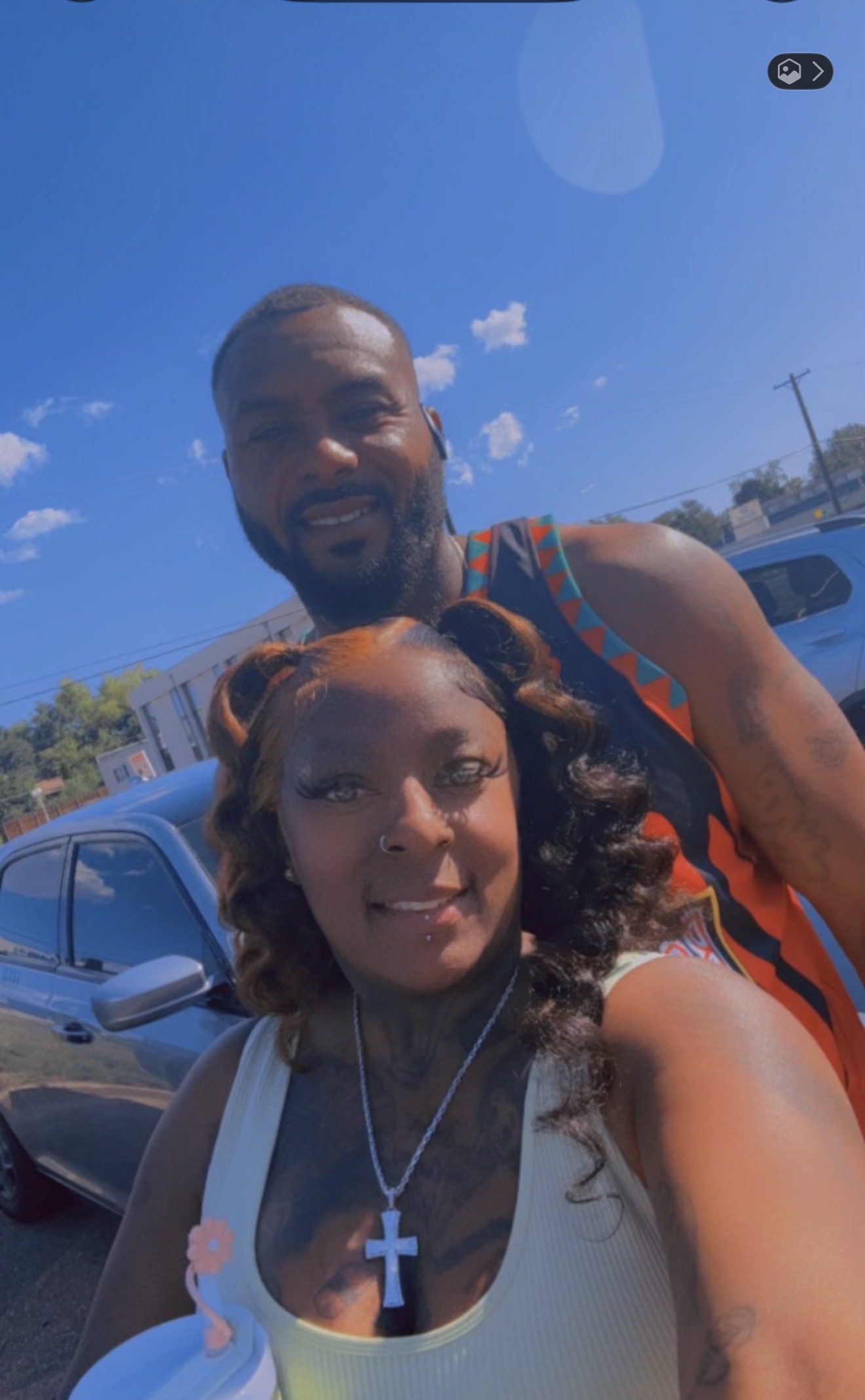
Oldan Jones — Owner & Operator
Concrete done wrong doesn’t show up for years — and by the time it does, the contractor who poured it is long gone. Oldan personally inspects base preparation, verifies mix specifications, and oversees every pour. If it’s going to have his name on it, it’s going to be built right from the bottom up.
Get Your Free Estimate in 24 Hours.
Concrete driveways, patios, sidewalks, curbs, and commercial flatwork across Colorado Springs and the surrounding region. Air-entrained mix. Proper base. Owner on every job.
(719) 285-9736 Get Your Free Estimate ⭐ 5-Star Rated · Licensed & Insured · 1-Year Warranty · Colorado Springs, CO · Since 2017Concrete Walkway Installation in Colorado Springs.
Concrete walkway installation by the Clear Choice crew — formed, poured, and finished to last in Colorado conditions.