
Asphalt or Concrete?
Know Before You Build.
Real planning ranges, Colorado-specific tradeoffs, and the installation details that determine whether your new driveway lasts five years or thirty.
The driveway installation cost in Colorado Springs depends first on one major choice: asphalt or concrete. Asphalt normally costs less upfront and is easier to repair. Concrete costs more initially but can deliver a longer service life and more design options. The right answer depends on your property, budget, drainage, maintenance expectations, and how the driveway will handle Colorado’s sun and freeze-thaw weather.
This guide gives you realistic planning ranges for both materials and explains what actually changes the final price. These numbers are not a quote. Every driveway needs an on-site inspection because the condition beneath the surface matters just as much as the material placed on top.
Asphalt Driveway
$3-$7 per sq. ft.Typical service life: 15-25 years with proper installation and maintenance.
Best for: Lower upfront cost, faster installation, easier repairs, long or large driveways.
Explore asphalt paving ->Concrete Driveway
$6-$12 per sq. ft.Typical service life: 30+ years when the base, mix, joints, and drainage are right.
Best for: Long-term durability, light color, crisp appearance, decorative finish options.
Explore concrete services ->Planning note: A standard two-car driveway is often around 500-700 square feet, but dimensions vary. A professional measurement and base inspection are required before multiplying square footage by any advertised rate.
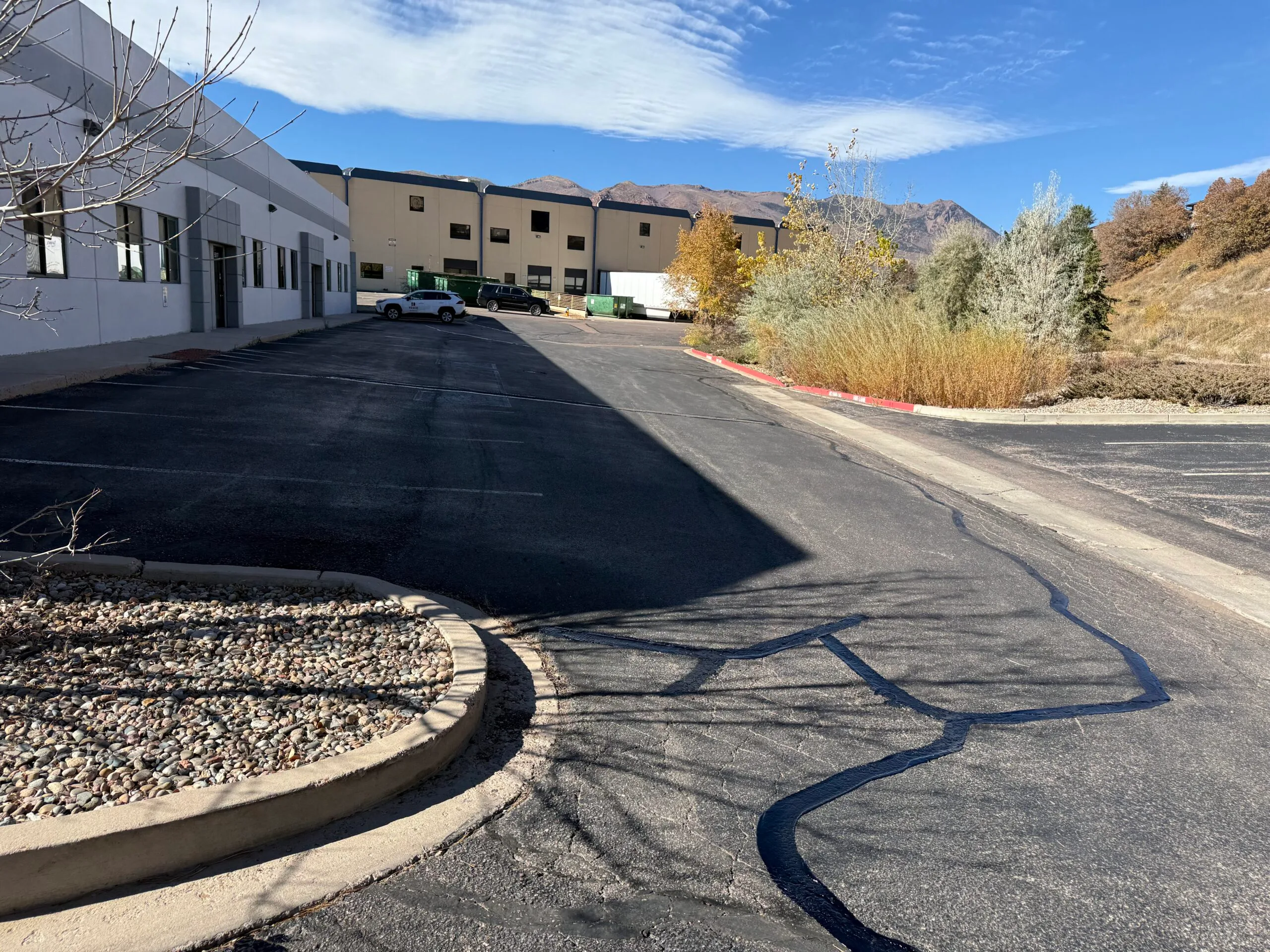
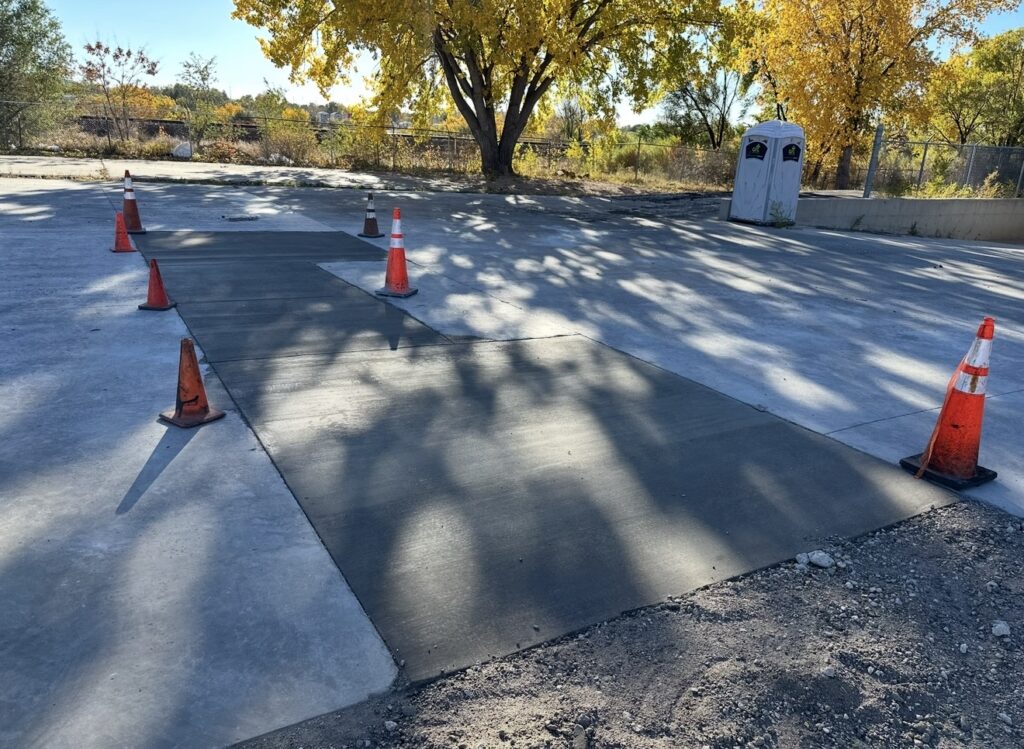
Driveway Installation Cost: Asphalt vs. Concrete in Colorado Springs
The surface material is only part of a driveway estimate. A low price can become expensive if it skips excavation, base correction, compaction, drainage, proper thickness, or concrete control joints. Compare the complete scope – not just the price per square foot.
| Factor | Asphalt | Concrete |
|---|---|---|
| Planning range | $3-$7 per sq. ft. | $6-$12 per sq. ft. |
| Expected lifespan | 15-25 years with maintenance | 30+ years with correct installation |
| Initial cost | Lower | Higher |
| Repairability | Easier to patch or resurface | Individual slabs or sections may need replacement |
| Routine care | Crack repair and periodic sealcoating | Joint care, cleaning, and optional sealing |
| Design choices | Classic black finish | Broom finish, color, borders, and decorative options |
| Installation speed | Generally faster return to normal use | Requires a longer protected cure period |
What a $3-$7 Asphalt Range Really Means
A straightforward asphalt project on a stable, properly graded base can land near the lower part of the range. Replacement projects that require demolition, hauling, excavation, additional aggregate, drainage correction, or difficult equipment access move higher. A typical residential driveway often falls around $2,000-$6,000, but long rural drives and failed bases can cost substantially more.
Asphalt is usually the better choice when the goal is a durable driving surface at the lowest practical upfront cost. It is also easier to repair and can often be resurfaced later if the base remains sound.
What a $6-$12 Concrete Range Really Means
Standard broom-finished concrete with reasonable access usually costs less than decorative work. Tear-out, thickened sections, reinforcement, complex forms, pumping, color, stamping, borders, stairs, aprons, or drainage structures add labor and material. For a typical two-car driveway, a simple planning range may begin around $3,600-$8,400 before unusual site conditions or decorative upgrades.
Concrete is often the better long-term choice when lifespan, a bright finished appearance, and design flexibility matter more than the lowest starting price.
Six Factors That Change Your Final Driveway Price
Existing Surface
Removing and hauling old asphalt, concrete, gravel, or failed material adds labor, equipment time, and disposal costs.
Base Condition
Soft soil, pumping areas, settlement, or contaminated aggregate must be corrected before the new surface is installed.
Drainage & Grade
The driveway must move water away from structures and prevent standing water from soaking the base or freezing at the surface.
Size & Thickness
Square footage matters, but thickness and expected vehicle loads determine how much aggregate, asphalt, or concrete is required.
Equipment Access
Narrow gates, steep grades, tight turns, landscaping, walls, and overhead restrictions can slow production or require smaller equipment.
Finish & Details
Concrete color, stamping, borders, reinforcement, extra joints, aprons, transitions, and drainage features change the scope.
A Colorado Driveway Is Built From the Bottom Up
At roughly 6,000 feet, Colorado Springs combines intense sun, sudden temperature swings, snow, ice, and repeated freeze-thaw conditions. Water that reaches an unstable base or remains trapped in cracks can freeze, expand, and gradually weaken the driveway. That is why the cheapest surface price is not always the cheapest driveway.
The Installation Details That Matter Most
- Stable subgrade: Soft or unsuitable soil must be addressed before new material goes down.
- Compacted aggregate base: The base spreads vehicle loads and provides a stable platform.
- Positive drainage: Water should move away from garages, foundations, and pavement edges.
- Correct material and thickness: Driveway design should reflect traffic and site conditions.
- Proper concrete joints: Planned joints help control where normal shrinkage movement occurs.
- Professional compaction and curing: Asphalt density and concrete curing both affect long-term performance.
A thin surface over a weak base may look good on installation day and fail quickly. Clear Choice evaluates the whole driveway – from soil and slope to the finished surface – before recommending asphalt, concrete, repair, or replacement.
Which Driveway Material Is Best for Your Property?
Choose Asphalt If You Want:
- The lower initial price
- A faster installation and return to use
- A surface that is easier to patch or resurface
- A practical option for long or large driveways
- A dark surface that absorbs sunlight in winter
Choose Concrete If You Want:
- A 30+ year service-life target
- A bright, clean finished appearance
- Decorative color, borders, or texture options
- Less routine surface maintenance
- A long-term investment with a higher starting budget
There is no universal winner. Asphalt often makes the most financial sense for large areas and budget-conscious projects. Concrete often wins when long-term appearance and lifespan are the priorities. Some properties benefit from both – for example, an asphalt drive with a concrete apron, walkway, or parking pad.
What Professional Driveway Installation Includes
1. On-Site Evaluation and Written Scope
The contractor measures the area, checks access, identifies drainage concerns, evaluates the existing surface and base, discusses vehicle use, and provides a written scope. A serious estimate should explain what is being removed, what is being installed, and how the base will be handled.
2. Removal, Excavation, and Grading
Failed pavement and unsuitable material are removed as needed. The area is graded to create the correct elevations and drainage path. This is also when buried problems – soft soil, poor previous repairs, inadequate aggregate, or water issues – usually become visible.
3. Base Installation and Compaction
Aggregate is placed and compacted to support the finished driveway. Base depth depends on soil, traffic, existing conditions, and the selected surface. Skipping base work to lower a bid transfers the cost to the homeowner later.
4. Asphalt Paving or Concrete Placement
Asphalt is placed hot, graded, and compacted for density and smooth transitions. Concrete is placed, consolidated, finished, jointed, and protected while it cures. Weather and surface temperature affect both materials, so timing matters.
5. Final Inspection and Care Instructions
The finished driveway should drain correctly, meet adjoining surfaces cleanly, and have supported edges. Clear Choice performs an owner walkthrough and explains when the surface can be used and how to protect it.
Maintenance Cost After Installation
Asphalt maintenance: Inspect the driveway every spring, repair open cracks before water reaches the base, and consider professional sealcoating every three to four years depending on exposure and wear. Avoid sharp stationary turns and heavy point loads while new asphalt is curing.
Concrete maintenance: Keep joints clear, correct drainage issues, clean stains promptly, and follow your installer’s advice on penetrating sealer and winter deicers. Concrete requires less routine surface treatment, but damaged slabs are generally more involved to replace than asphalt patches.
The best maintenance plan begins with correct installation. Maintenance can preserve a sound driveway; it cannot permanently fix a failed base.
Do You Need a Driveway Permit?
Permit requirements depend on the property and the part of the driveway being changed. Work involving a curb cut, public right-of-way, drainage, or a new connection may require approval. A driveway connecting directly to a state highway may require a CDOT access permit. Requirements can vary by jurisdiction, so confirm them before construction begins.
Clear Choice reviews the project location and scope during the estimate so permit or access questions can be identified before work is scheduled.
Driveway Installation Colorado Springs FAQ
How much does a two-car driveway cost in Colorado Springs?
A standard two-car driveway is often around 500-700 square feet. Using basic planning ranges, asphalt may start around $2,000-$6,000 and standard concrete around $3,600-$8,400. Removal, base repair, drainage, access, thickness, and finish choices can raise the final price. An on-site estimate is necessary for an accurate number.
Is asphalt or concrete better for a Colorado Springs driveway?
Asphalt is usually better for a lower upfront cost, quicker installation, and easier future repairs. Concrete is usually better for a longer service-life target, a lighter finished appearance, and decorative options. Both can perform well in Colorado when the base, drainage, thickness, installation, and maintenance are correct.
How long does a new driveway last?
A professionally installed and maintained asphalt driveway commonly lasts 15-25 years. Properly installed concrete can last 30 years or longer. Soil stability, drainage, traffic, material thickness, workmanship, and maintenance all affect service life.
Can new asphalt or concrete be placed over my old driveway?
Sometimes, but only when the existing surface and base are structurally suitable. An overlay will not permanently solve base failure, widespread movement, poor drainage, or severe settlement. Clear Choice inspects the driveway before recommending an overlay, repair, or full replacement.
What is the best season to install a driveway in Colorado Springs?
Late spring through early fall usually provides the most reliable temperatures for asphalt paving and concrete placement. Exact scheduling depends on surface temperature, overnight lows, precipitation, and the specific material. Clear Choice monitors the forecast before installation.
How soon can I drive on a new driveway?
New asphalt often allows normal residential vehicle use after roughly 24-48 hours, depending on temperature and project conditions. Concrete needs a longer protected curing period. Always follow the project-specific instructions provided by the installer before driving or parking on either surface.
Does a new driveway need a permit?
It depends on the location and scope. Curb cuts, public right-of-way work, drainage changes, and new access points may require approval. Direct access to a state highway may require a CDOT access permit. Confirm the requirements for the property before construction.
Get the Right Driveway – Not Just the Cheapest Surface
Oldan personally evaluates your property, explains whether asphalt or concrete makes more sense, and provides a clear written estimate. No pressure. No mystery scope. No disappearing owner after the sale.
Pricing disclosure: The ranges in this article are planning estimates, not offers or guaranteed prices. Final pricing requires a site visit and written scope. Permit reference: Colorado Department of Transportation, Access Permits – Driveways & Curb Cuts.